
Fortunica Verification and KYC
 Available in AU
Fortunica can require identity and payment verification, and a withdrawal can be restricted while verification is incomplete. That is the most important practical point for anyone trying to understand Fortunica KYC. The operator’s terms were recorded on 17 September 2026, but the official terms page was unavailable for reopening on 17 September 2026. Because exact document lists and processing times are time-sensitive, document requirements and timing remain at category level rather than a fixed checklist or duration.
The confirmed points are separated from details that must still be checked in the live account. The key questions are why verification matters, when a request can affect a cashout, how to preserve evidence if the process stalls, and how to distinguish a genuine KYC request from an unsupported claim found on a third-party casino page.
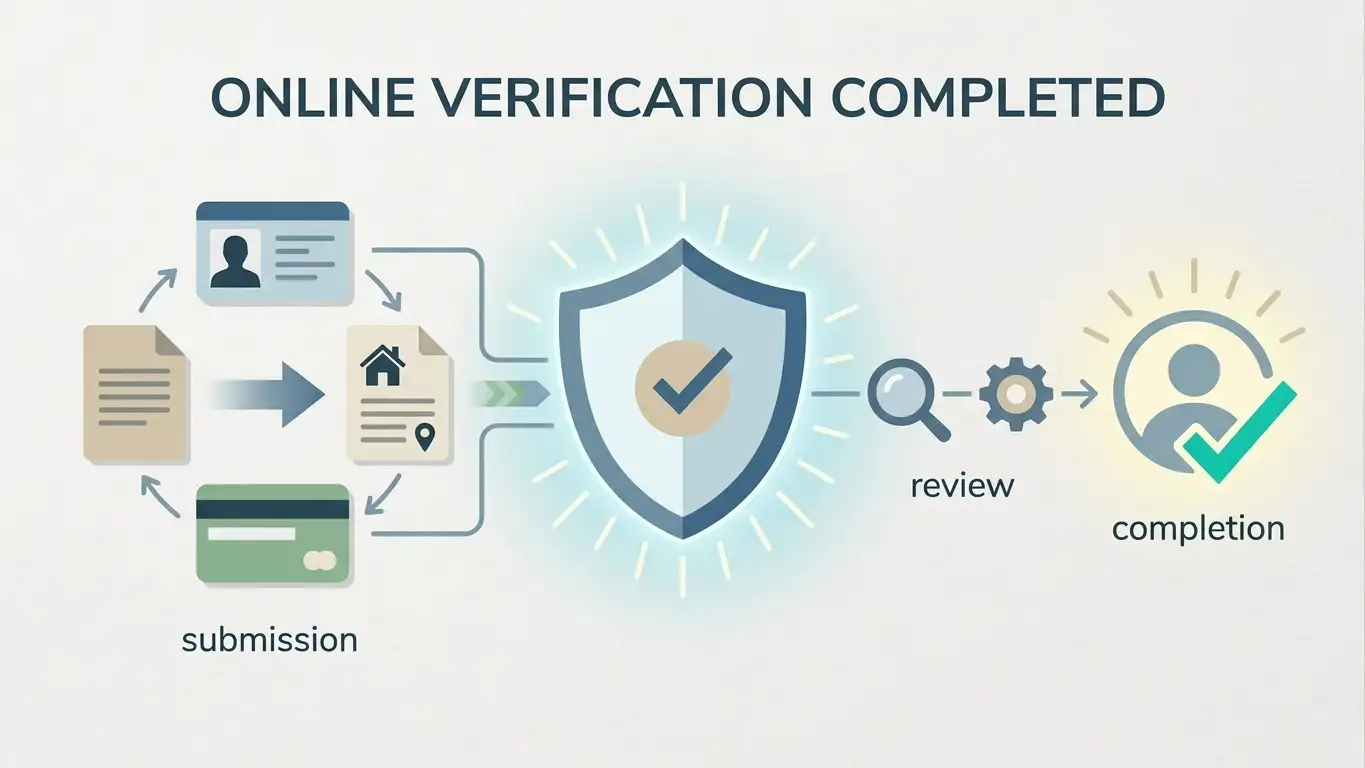
Table of Contents
- What Fortunica verification means
- Limits of the available KYC evidence
- How verification can affect a withdrawal
- A practical verification process
- Identity checks and payment checks are different questions
- Key distinctions in Australia
- How to judge a verification request safely
- Public complaints: useful signal with limited scope
- Common mistakes during KYC
- What to record if verification stalls
- What to prepare for Fortunica verification
What Fortunica verification means
Verification is the process by which an operator checks that the person controlling an account is the person represented by the account details and, where relevant, that the payment method is connected to that person. In this recorded Fortunica terms, the operator reserved the right to request identity and payment verification. The same terms also established that withdrawals can be restricted while the required checks remain incomplete.
Account sequences can vary. A casino can request different evidence depending on account history, payment method, transaction pattern or information already held. Registration and KYC can also occur at different stages. A user may be able to create an account or browse Fortunica before an additional verification step becomes relevant to a withdrawal.
Fortunica can require KYC, so the important details are the current account request, its connection to the account or payment method, acknowledgement of the submission and any change in withdrawal status after the requested step is completed.
Limits of the available KYC evidence
Older reviews and casino directories often publish a fixed Fortunica KYC checklist. Some list photo identification, proof of address, payment evidence, a selfie or additional checks. The earlier official terms record also recorded several possible verification methods. However, exact KYC document requirements are treated as time-sensitive facts in this verification standard. They must be rechecked against a current official page before being presented as a current required list.
The official terms page was unavailable on 17 September 2026. The earlier record is retained as historical context rather than a universal September 2026 checklist. A specific verification time in hours or days remains unverified because a current official processing-time promise was unavailable for confirmation.
If the live Fortunica account names specific evidence, use the wording shown in the account or the operator’s current terms as the operational instruction. A third-party article can help explain a category, while a current request displayed inside the account takes priority.
How verification can affect a withdrawal
The clearest verified link in the Fortunica material is between verification and cashout availability. The operator’s terms supports the statement that withdrawals can be restricted while verification is incomplete. That means a payment request can remain unavailable or unresolved even when an account can still log in, view games or perform other account actions.
A pending withdrawal can involve several layers: the withdrawal method, an account check, payment-ownership verification, a bonus condition or the operator’s internal review. Treating every delay as a payment-method failure can hide the actual cause. The Fortunica withdrawal guide covers those layers while keeping unsupported exact limits and timing promises out of the page.
If verification is requested after a withdrawal has been submitted, record the request and the withdrawal status separately. If the operator asks for additional information, save the message that explains what is missing. If the account later shows the verification as complete but the cashout remains pending, that is a different stage of the process and should be documented as such.
A practical verification process
- Read the request in the account. Use the exact wording and avoid relying on an old guide that may describe a different version of the process.
- Check the source of the request. Prefer the authenticated Fortunica account, the operator’s official terms or a verified support channel over messages from unrelated domains.
- Provide only what is requested through the intended channel. Keep identity and payment evidence inside the intended secure channel, including on third-party comparison sites or social networks.
- Keep a submission record. Save the date, the category of evidence submitted and any confirmation message while minimising extra copies of sensitive documents.
- Track the result separately from the withdrawal. Verification completion and withdrawal completion are related but separate events.
- Escalate with a timeline if needed. If the process stalls, a concise chronology is more useful than repeated messages that omit dates or reference points.
This process works across different document lists. It is designed around evidence handling and status tracking, which remain useful even when the exact KYC implementation changes.
Identity checks and payment checks are different questions
An identity check is about the person controlling the account. A payment check is about the relationship between the account holder and a funding or withdrawal method. Fortunica’s terms supports both identity and payment verification as possible requirements. The distinction is important because completing one category may still leave questions in the other category.
For example, a user may have already established who they are but still be asked to clarify a payment method used on the account. Conversely, a payment route can appear in the cashier while the broader account verification process is still incomplete. The exact evidence requested for either category remains unspecified because the current official KYC page was unavailable for a fresh check on 17 September 2026.
From a record-keeping perspective, note which category the operator is asking about. If support uses vague language such as “verification required”, ask which account task is incomplete and where the request is displayed. That helps prevent a general KYC label from obscuring the actual unresolved step.
Key distinctions in Australia
Verification policy, Australian regulatory status and technical access are three different issues. KYC status and local licensing are separate: identity verification concerns the account, while regulatory approval comes from the relevant authority. ACMA’s records leave Fortunica outside the locally licensed-provider set checked on 17 September 2026.
Australia also has a separate access context. ACMA named Fortunica in an ISP-blocking notice dated 13 February 2026. That is a regulatory enforcement fact about access to the service in Australia. That enforcement fact concerns Australian access; the validity of a particular KYC request and the documents requested for an account require separate evidence.
For the account setup context, see the Fortunica registration guide. For wider regulatory and reputation issues, the Fortunica Australia review provides the broader context. Keeping those topics separate avoids the common mistake of using one fact, such as an ISP block or a complaint, to answer a different question about account verification.
How to judge a verification request safely
| Check | Useful question | Why it matters |
|---|---|---|
| Account context | Is the request visible inside the authenticated account? | It helps distinguish account instructions from unrelated messages. |
| Purpose | Does the request explain whether it concerns identity, payment ownership or another account check? | Different checks can require different evidence. |
| Submission route | Is there a defined secure upload or official support route? | Sensitive material belongs in the operator’s defined secure channels. |
| Status | Does the account show received, pending, accepted or rejected? | A status creates a more useful timeline than repeated submissions. |
| Withdrawal impact | Is the cashout restricted while the check is open? | Fortunica’s verified terms allows this connection. |
| Current reference | Can the requirement be matched to the current terms or account message? | It avoids relying on stale third-party checklists. |
Public complaints: useful signal with limited scope
current public feedback contain recurring user reports involving withdrawals, verification and support. They also contain some positive reports about successful payouts or satisfactory service. These reports can be useful for identifying themes that deserve attention, but they provide context alongside the operator’s current KYC policy and remain specific to the users who submitted them.
A complaint may omit part of the correspondence, may reflect a dispute about whether evidence was sufficient, or may have been resolved after the original post. Complaint allegations therefore remain anecdotal rather than verified KYC rules. The Fortunica reviews and complaints page is the appropriate place to compare those patterns and their limitations.
If you are documenting your own case, focus on evidence that can be dated: the withdrawal request, the verification request, the submission acknowledgement, any rejection reason and the later account status. A clean sequence of events is more useful than trying to map your case onto another person’s review.
Common mistakes during KYC
- Using a third-party article as if it were the current official document list.
- Assuming registration completion also completes every later verification stage.
- Assuming a KYC request automatically explains every withdrawal delay.
- Sending sensitive evidence through an unverified email address or public channel.
- Uploading the same material repeatedly before confirming whether the previous submission was received.
- Publishing unredacted identity or payment details while seeking help from a forum or review platform.
- Treating one user’s complaint as proof of a universal Fortunica policy.
Most of these mistakes come from collapsing several stages into one. Registration, identity checking, payment verification, cashout review and regulatory access are connected, but each stage has its own role.
What to record if verification stalls
If the process stalls, build a short timeline. Record when the verification request appeared, what category of information was requested, when material was submitted, whether the account acknowledged receipt, and what happened to any pending withdrawal. Keep transaction IDs or support reference numbers where available.
Avoid storing more sensitive information than necessary. For a timeline, it is usually enough to record that a document was submitted and the date, rather than duplicating the full document in multiple locations. If you later seek assistance from a complaint service or regulator, redact unrelated personal information unless the recipient specifically needs it through a secure process.
If Fortunica gives a reason for rejecting a submission, preserve the exact wording. If the reason changes, record that too. The aim is to separate a factual record from interpretation so that any later escalation can focus on what was actually requested and how the operator responded.
What to prepare for Fortunica verification
Fortunica verification can affect withdrawals: the operator’s terms support identity and payment checks and allow cashouts to be restricted while required verification is incomplete. A definitive September 2026 document list and verification-time promise remain omitted because the official KYC/terms surface was unavailable for a fresh check on 17 September 2026.
Use the live account request as the operational source, keep a dated record of submissions and responses, and separate verification status from the later payment stage. For account setup, see the Fortunica registration; for cashout mechanics, use the Fortunica withdrawals; and for complaint patterns, use the current complaint signals.
Prepared by the Fortunica Casino editorial staff.